


-
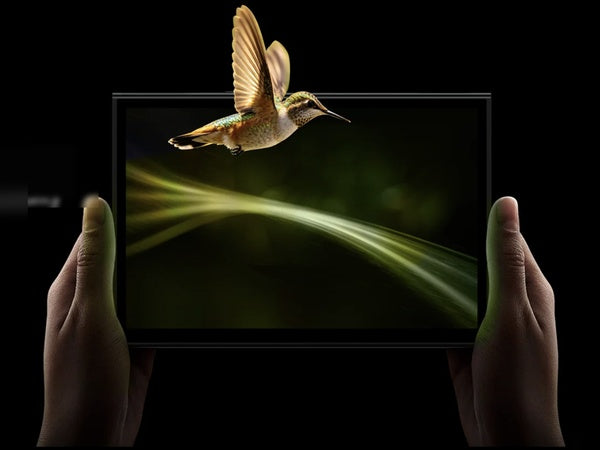
Large-Screen Versatility or Compact Portability? ONEXPLAYER 3 vs. X2 Mini Pro
Both of these devices carry an 8.8" screen at 144Hz with VRR, so the choice between them was never going to come down to display size. It comes down to what each one asks you to prioritize once you're past the spec sheet: how the chip approaches performance, how the battery is built, and how far each one is willing to grow into a... -
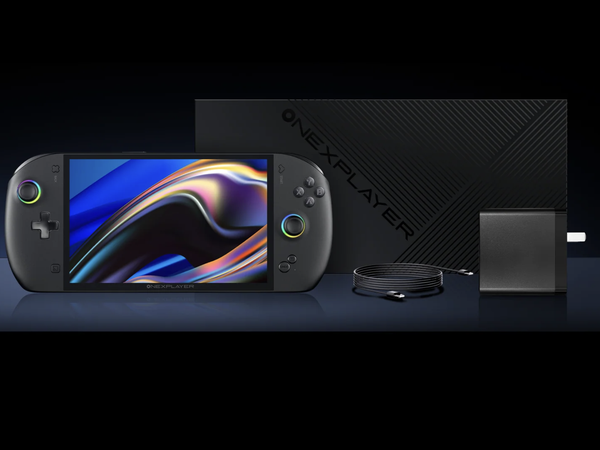
APEX vs. APEX Air: Processor, Cooling, and Ideal User Compared
Same 8-inch body, same ergonomic grip, same dual-stage adjustable triggers. What separates APEX from APEX Air isn't the chassis, it's a set of decisions underneath it about which chip camp to run and how far the cooling system is willing to go to support it. Two different chip camps in one shape APEX runs AMD's Ryzen AI Max+ 388, an 8-core, 16-thread Zen 5... -
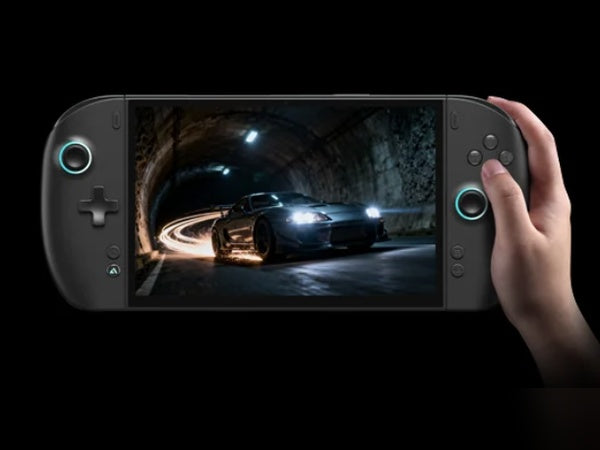
10 Things to Know Before Buying ONEXPLAYER 3
A spec sheet tells you what a device has. It doesn't tell you what to actually do with that information before you check out. These are the ten details that matter most once you've already decided ONEXPLAYER 3 is on your shortlist. 1. Arc G3 Extreme is genuinely new silicon ONEXPLAYER 3 is the first handheld built on Intel's Arc G3 Extreme platform, a... -
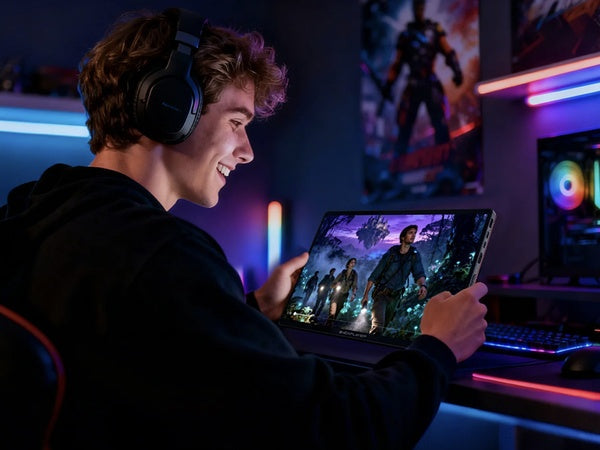
Why Super V Feels Like a Portable Gaming and AI Workstation
Some devices ask you to pick a lane. A tablet that's mostly for gaming, or one that's mostly for work, with the other use case tolerated rather than served. Super V is built around the bet that a single Intel platform can do both jobs at once without either one feeling like an afterthought, and the spec sheet backs that bet up in a... -
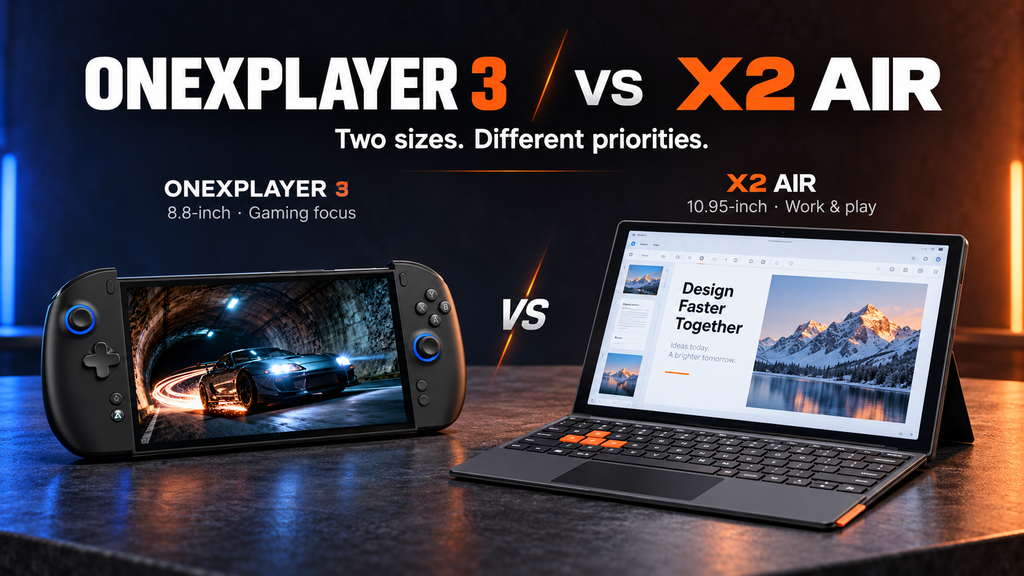
ONEXPLAYER 3 vs. X2 Air: Comparing 8.8-inch and 10.95-inch 3-in-1 Devices
Two inches of diagonal screen size sounds like a small difference until it changes what a device is actually for. One body fits in a jacket pocket. The other one wants a bag, but pays that space back with a bigger keyboard, a bigger battery cell, and a chip tuned for a different kind of session. ONEXPLAYER 3 and X2 Air sit on either... -
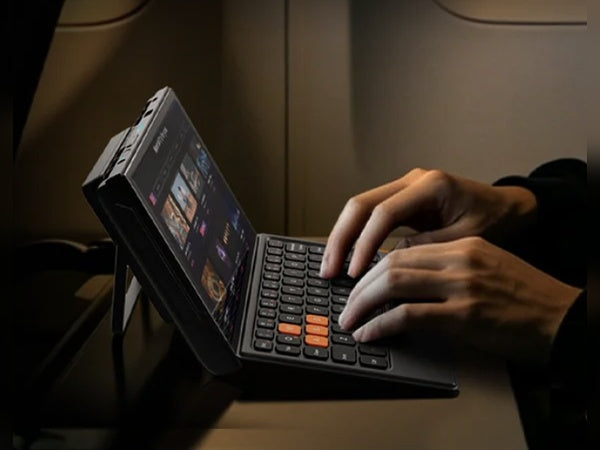
Can a Gaming Handheld Run Local AI? The Productivity Potential of X2 Mini Pro
Running a language model locally used to mean owning a desktop with a discrete GPU and enough VRAM to hold the weights. That requirement is what kept "AI on your own hardware" out of reach for anything you could carry. The bottleneck was never really compute, it was memory, and that's the piece a handheld like the X2 Mini Pro is built to attack... -
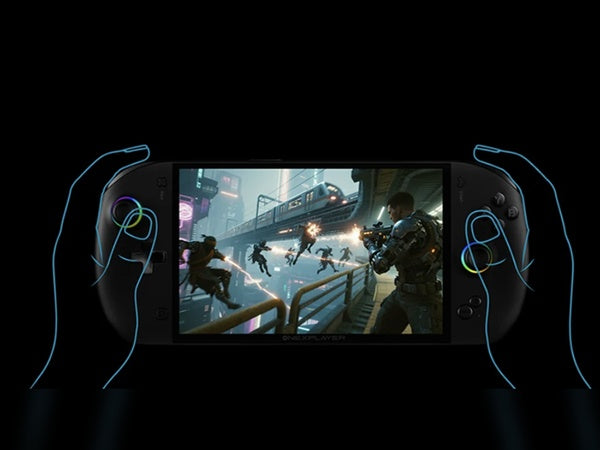
From Specialist Handhelds to Mobile Workstations: The ONEXPLAYER Tier 2 Portfolio
Three devices, one underlying idea: put a genuinely high-bandwidth unified memory architecture into a body small enough to carry, and let the form factor decide what the device is actually for. APEX stays a handheld. Super X and Super V grow into tablets. All three share a family logic even as their target users diverge. APEX: the handheld built around a cooling decision APEX's... -
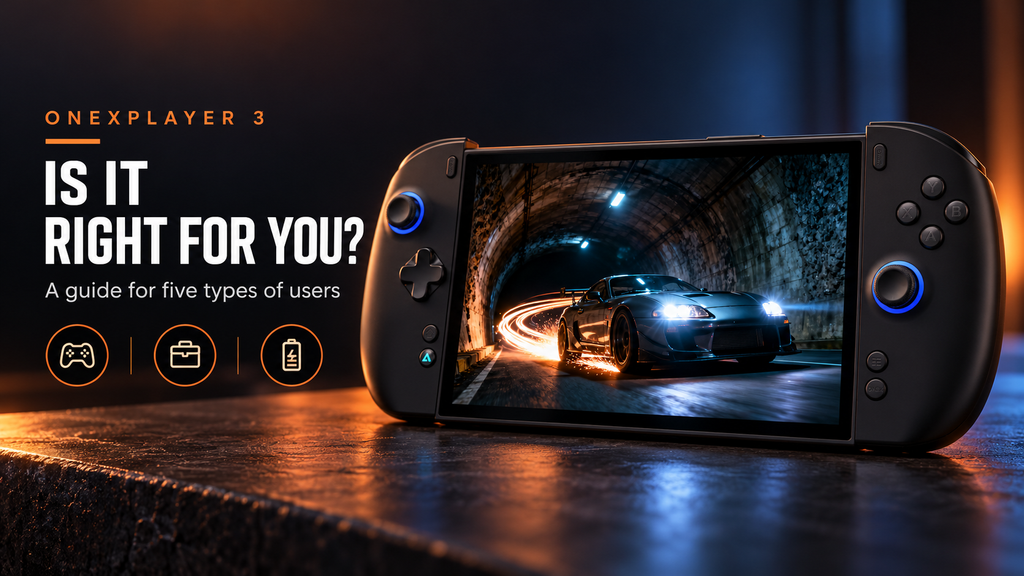
Who Is ONEXPLAYER 3 For? Buying Advice for Five Types of Users
Not everyone buying a high-end Windows handheld wants the same thing from it. Some people are chasing frame rate. Some want a second laptop that fits in a jacket pocket. Some just want the newest chip before anyone else has it. A single spec sheet answers all of those questions differently depending on who's reading it. The frame-rate chaser If the deciding question is... -
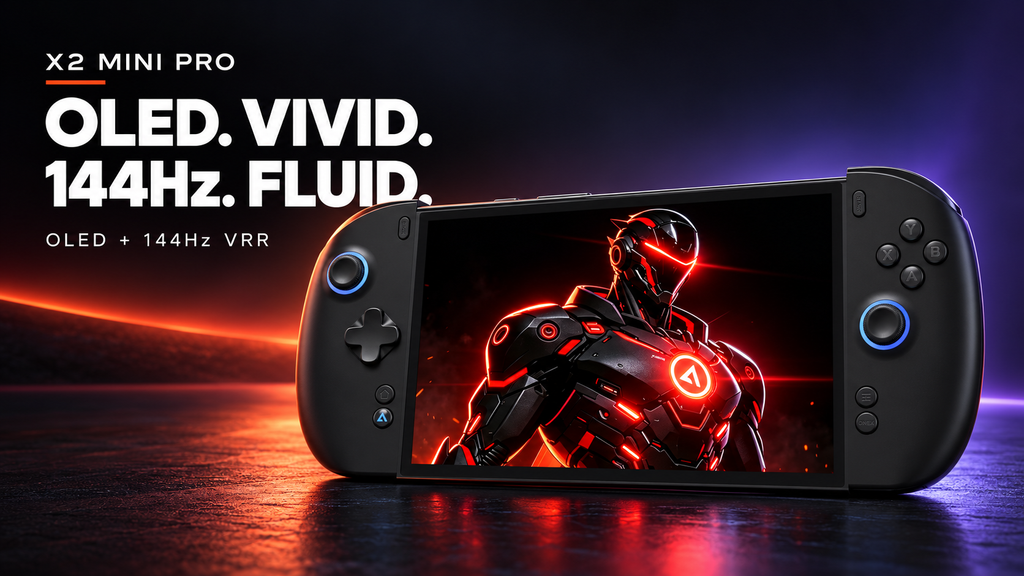
What OLED + 144Hz Really Changes: The X2 Mini Pro Display Explained
A handheld screen sits four inches from your face for hours at a time. Every panel decision the engineers made shows up immediately, for better or worse. Two numbers get thrown around a lot in gaming handheld marketing right now: OLED and 144Hz. Neither one means much on its own. Together, on a device built around them, they change what a handheld feels like... -
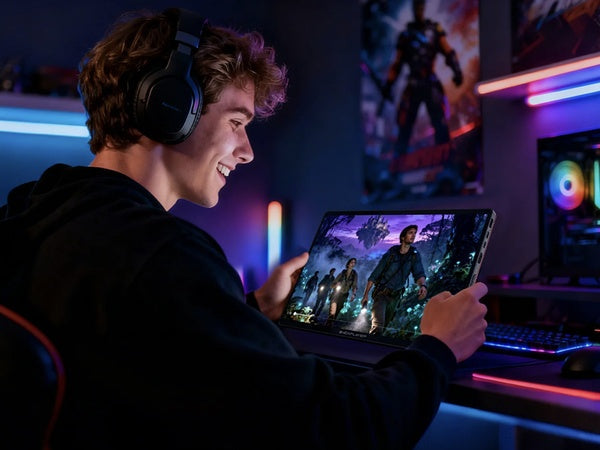
Super X vs. Super V: AMD and Intel Mobile Workstation Strategies Compared
Two chip makers can build toward the same goal, a genuinely capable mobile AI workstation in tablet form, and still arrive by completely different roads. Put the Super X and Super V side by side and you're not really comparing two products, you're comparing AMD's and Intel's competing bets on where mobile AI computing goes next. A shared chassis, a deliberate divergence underneath Both...
Top searches
Most popular
9 reviews
$2,699.00
$2,499.00
No reviews
$2,199.00
$1,999.00

Top searches
Most popular
9 reviews
$2,699.00
$2,499.00
No reviews
$2,199.00
$1,999.00
